3. Unlocking potential through creative partnerships


Building partnerships is in our DNA and central to our pathway to impact. We lead by nurturing strong, collaborative relationships with national governments, local organisations and global stakeholders to co-create scalable, sustainable solutions that improve health outcomes.
Our approach prioritises local ownership and capacity strengthening, ensuring national disease programmes are equipped to lead the design, delivery and scale-up of health interventions tailored to their contexts.
Through trusted partnerships, we align expertise, resources and innovation to drive systemic change. By sharing knowledge and fostering joint problem-solving, we unlock collective potential — delivering results that no single actor could achieve alone. This commitment to partnership enables us not only to implement effective interventions, but also to strengthen the health systems and policies that underpin long-term impact and equity.
CASE STUDY
Speed, efficiency, scale — how public digital infrastructure is strengthening global health systems
When campaigns are well coordinated, timely and driven by data, they save lives. Digital tools and approaches can transform the way healthcare is delivered. That’s why, as an organisation, we work with a range of digital tools and partners to optimise health outcomes — testing platforms to find the right fit for a particular context.
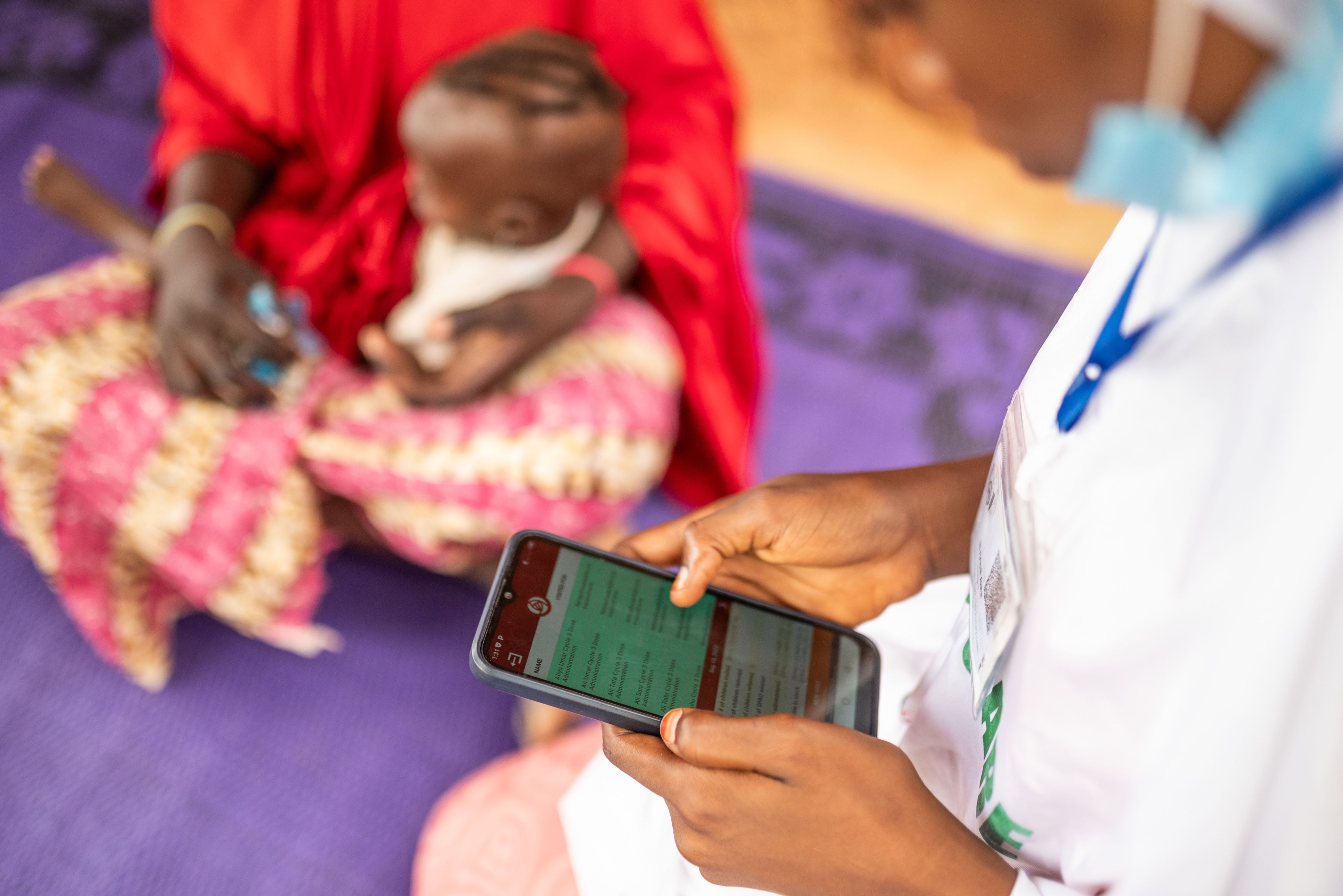
Our partnership with eGov Foundation is a perfect example of our commitment to strengthening digital tools and approaches for more efficient, effective health campaigns. We are using eGov’s DIGIT Health campaign Management (HCM) platform to support digitalisation of seasonal malaria chemoprevention (SMC) campaigns for improved campaign delivery. By combining Malaria Consortium’s on-the-ground experience with eGov Foundation’s leadership in digital public services, the partnership creates a robust framework for strengthening health systems to better respond to critical challenges, supporting sustainable, locally driven solutions with the potential to expand into additional health priorities in the future.
In 2024, we signed a Memorandum of Understanding aimed at providing governments and organisations across Africa with open-source, scalable, transparent and inclusive infrastructure for managing their health campaigns. This lays out a comprehensive global framework that will guide our future activities with DIGIT HCM.
Our success of using DIGIT for SMC in Mozambique has created a blueprint for the platform’s expansion to other malaria-endemic regions. We are also supporting the large-scale use of DIGIT to deliver SMC, and insecticide-treated net, vitamin A and azithromycin campaigns across Nigeria, supporting the Ministry of Health to work towards a sustainable overarching digital architecture.
We’re shaping the global guidance on effectively digitising health campaigns through our contributions as an expert reviewer and contributor to the Integrated Campaign Digitization (ICD) Toolkit, led by the World Health Organization.

“Addressing inequities is so important because many populations live in rural areas, where preventable diseases are more prevalent. In Mozambique, for example, we have an unequal distribution of health facilities and skilled healthcare workers, with remote areas being neglected [and] we often face medication stockouts in public hospitals. This forces people to buy medicines from private pharmacies, which many cannot afford. By tackling these inequalities, we can ensure that quality health services are accessible to everyone, regardless of their location or economic status.”


CASE STUDY
Strengthening technical excellence, responsiveness and catalytic solution building in Uganda
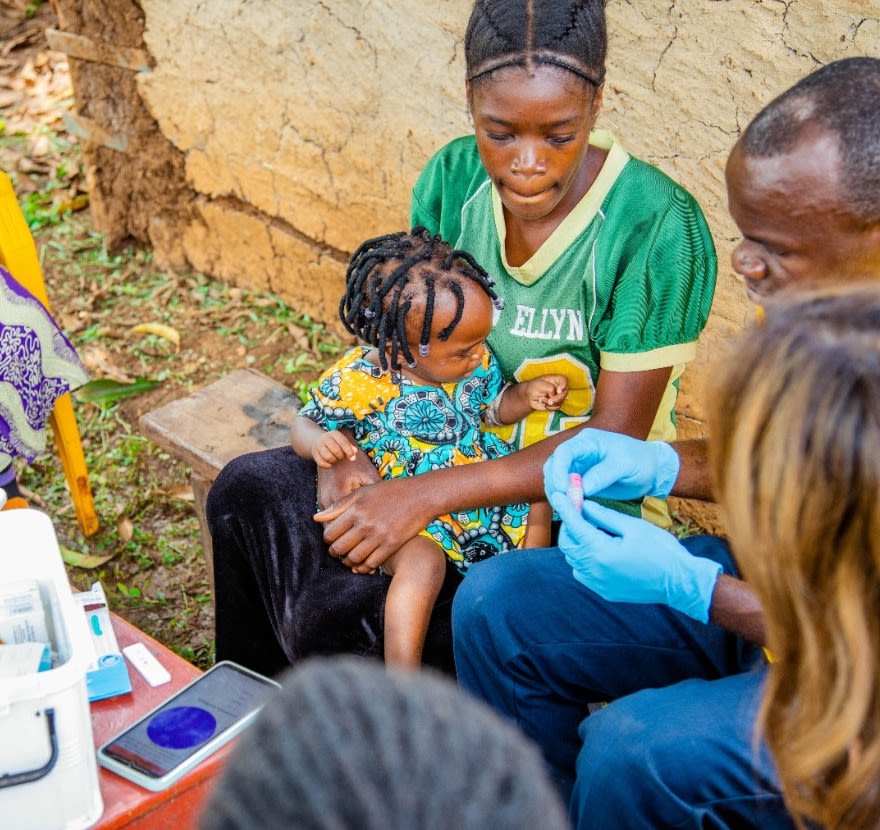
Across 2024 we worked alongside the Ministry of Health and other key strategic partners to co-design and develop a new National Malaria Elimination Intensification Strategy, supporting a renewed approach to strategic management and planning. Applying lessons from our malaria elimination efforts in southeast Asia, particularly Cambodia, we provided the evidence needed for a paradigm shift in malaria programming in Uganda that takes into account effectiveness, efficiency and integration of priority interventions. Through this initiative, the collective efforts of technical partners, including Malaria Consortium, have contributed to Uganda’s policy and approach to dealing with the malaria burden.
“Each step we take towards eliminating malaria not only enhances public health but also bolsters Uganda’s economy. Indeed, every 10 percent reduction in malaria burden leads to an approximate 0.3 percent increase in GDP growth. This correlation underscores the profound economic benefits of effective malaria control measures.”
Paving the way for Uganda’s malaria vaccine rollout
In anticipation of the introduction of the malaria vaccine in Uganda in April 2025, we convened a sensitisation workshop with the Ministry of Health at the end of 2024, laying the vital groundwork for skilling health workers, medical professionals, and political and technical leaders. The workshop marked a pivotal step in stakeholder engagement and community readiness, not only for the vaccine campaign, but also its integration with the seasonal malaria chemoprevention delivery platform starting in May 2025.
With a track record in social and behaviour change communication and community engagement, we recognise that effective communication from trusted health workers about the vaccine and its benefits will be critical to prevent the spread of disinformation and overcome vaccine hesitancy. The training for healthcare workers focused on effective communication with caregivers, community mobilisation and creating demand for the vaccine.
“This integrated rollout is a defining moment for child health in Uganda. We are not just reducing malaria — we are restoring dignity to communities, strengthening our health system and reaffirming that no child should die from a preventable disease”


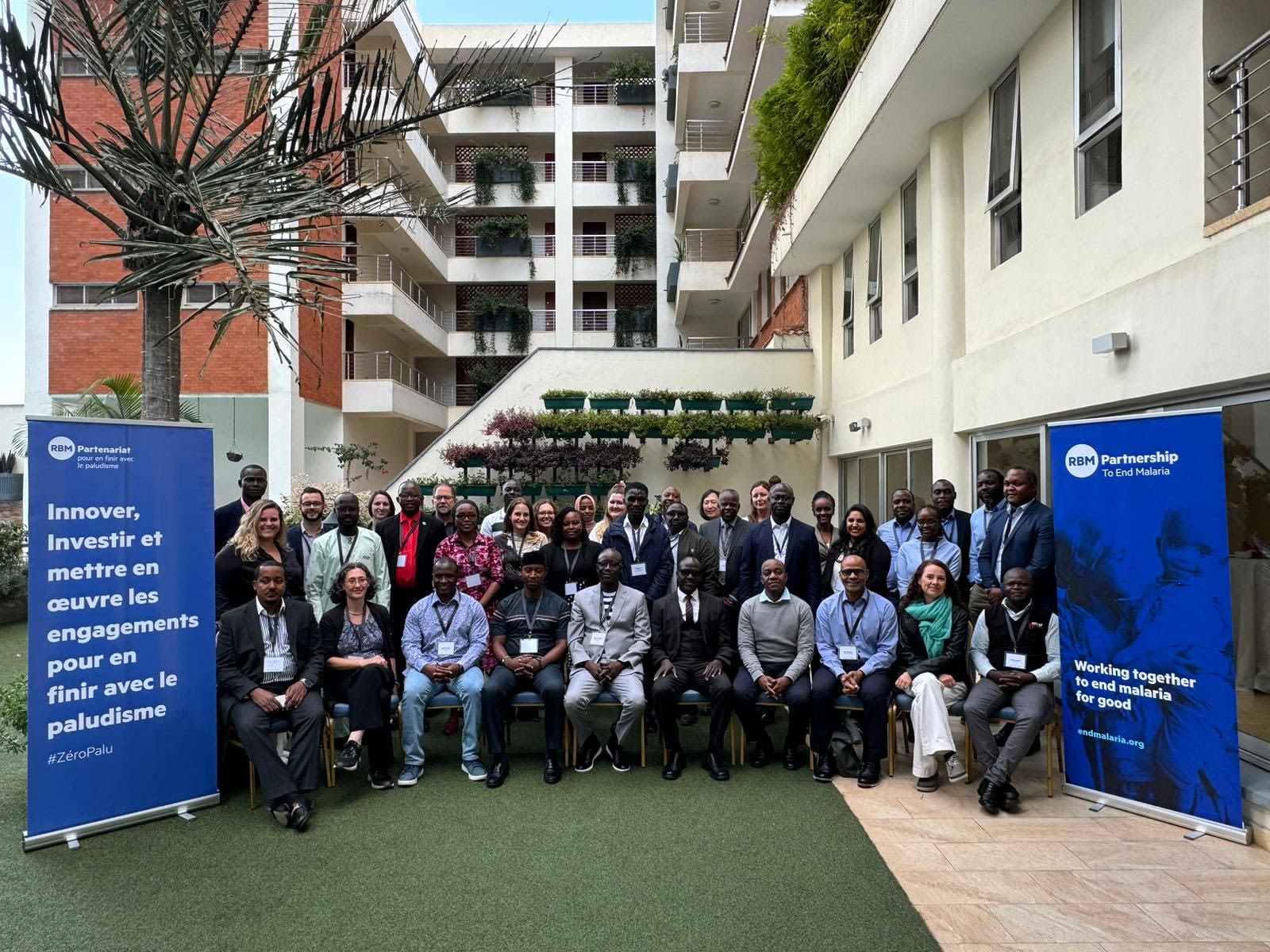
RBM Surveillance, Monitoring and Evaluation Working Group meeting, Nairobi, 2024
RBM Surveillance, Monitoring and Evaluation Working Group meeting, Nairobi, 2024
SOUTH-SOUTH EXCHANGE
How sharing lessons learnt, knowledge and best practices is contributing to more resilient health systems
As leaders of the Asia-Pacific Malaria Elimination Network (APMEN) Vector Control Working Group (VCWG), we’ve been at the forefront of strengthening regional capacity to combat malaria and arboviruses. Complementing this work, through the Resilience Against Future Threats (RAFT) project led by the London School of Hygiene & Tropical Medicine, we’ve spearheaded arbovirus capacity analyses to identify research gaps and strengthen arbovirus surveillance and response capabilities in Burkina Faso, Cameroon, Côte d’Ivoire and Tanzania, additionally supporting Côte d’Ivoire in crafting its first National Strategic Plan for arboviruses.
We are also the secretariat for the RBM Surveillance Monitoring and Evaluation (SME) Working Group Surveillance Practice and Data Quality Committee. We help partners and countries work together on the best ways to track, monitor and evaluate malaria programmes, with a focus on building strong, efficient systems that use data to make better decisions in today’s funding landscape.
These initiatives are bolstering national and regional capacity across Africa and Asia to tackle mosquito-borne diseases. From malaria to dengue, countries are better equipped to confront these escalating public health threats with resilience and precision.

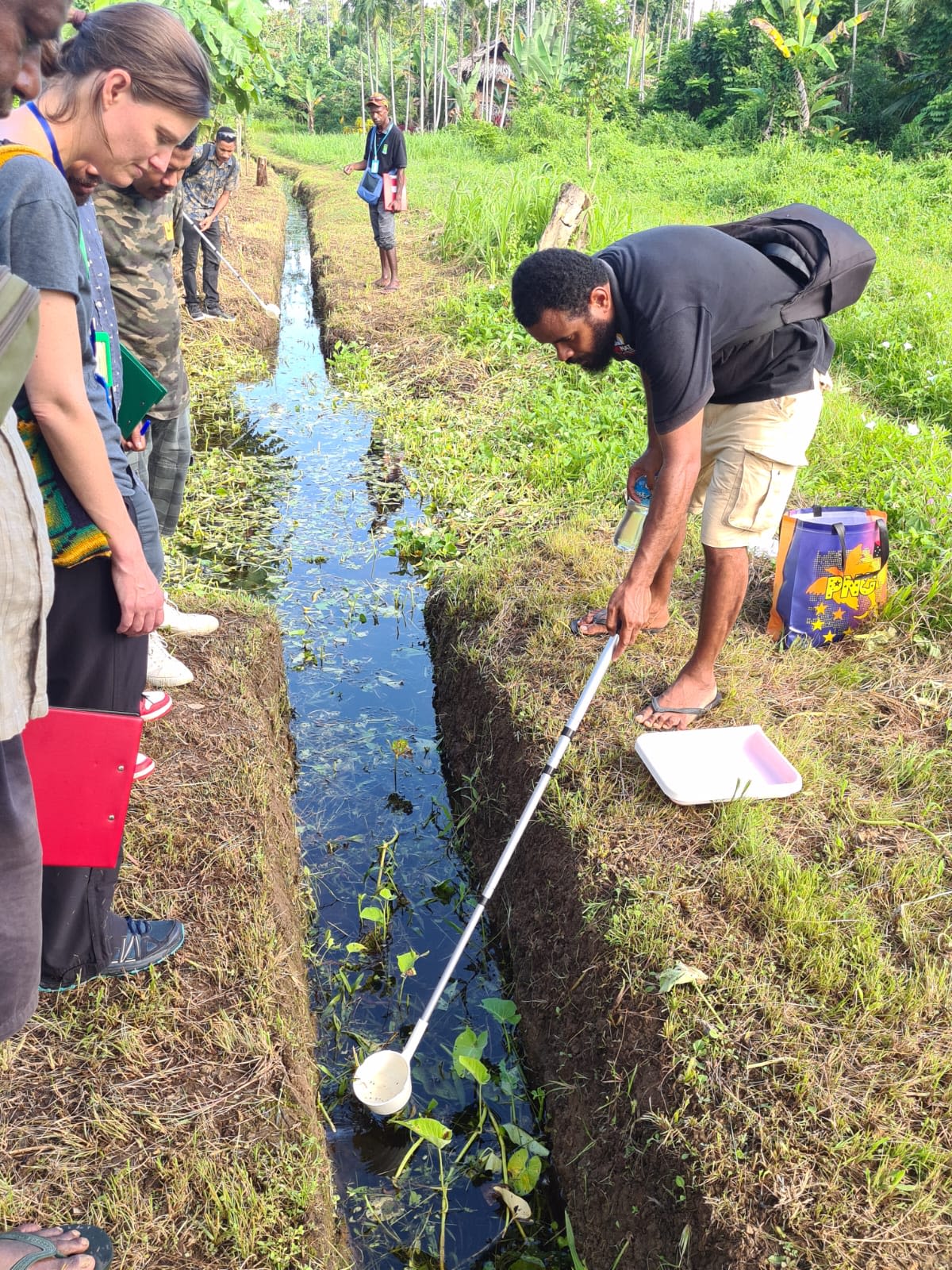
“The Malaria Vector Surveillance course has empowered yet another group of frontline entomologists with the critical thinking and practical skills needed to adapt surveillance strategies to their local realities. These skills embrace the scientific rigor required for staying ahead of evolving vector challenges.”

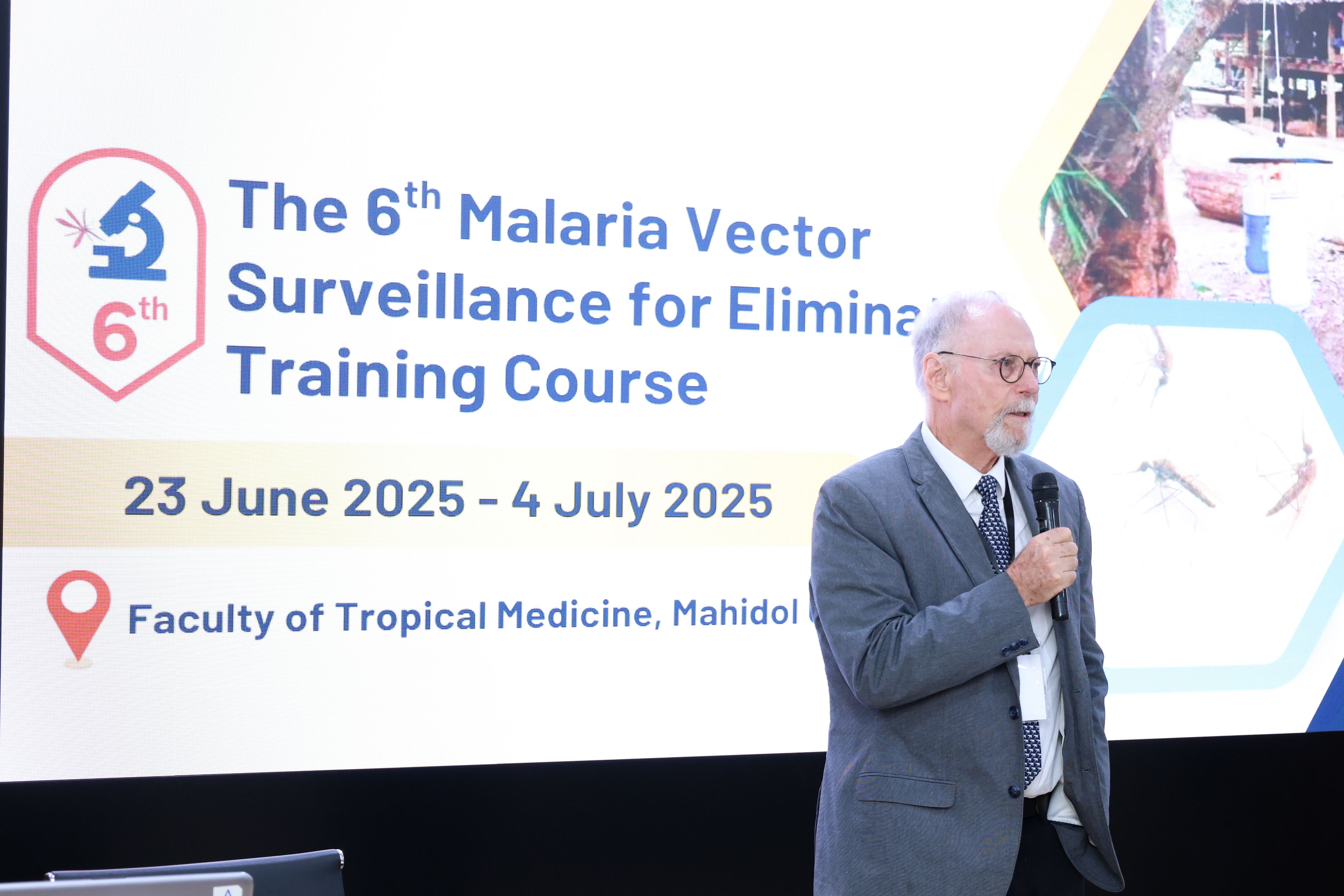

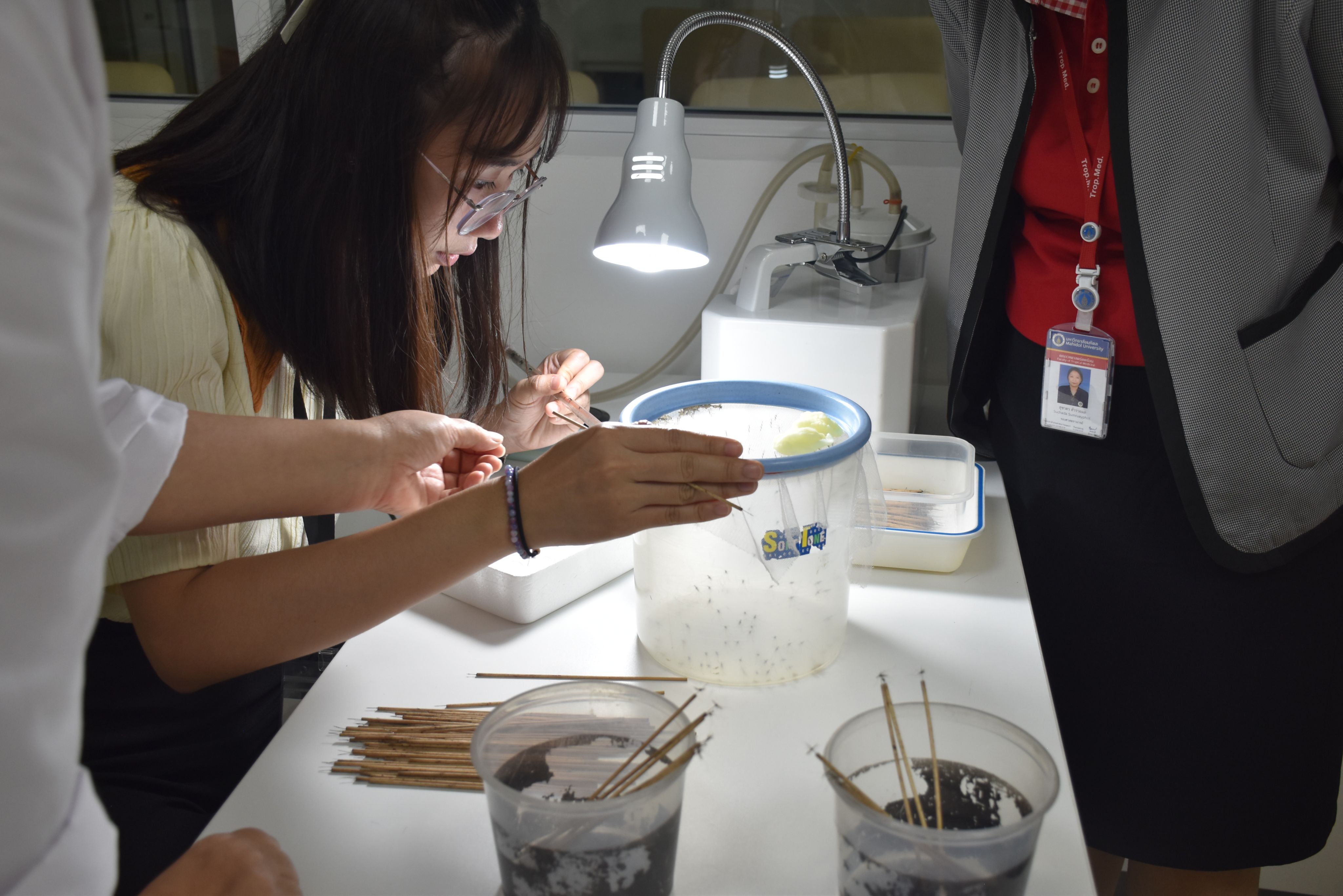

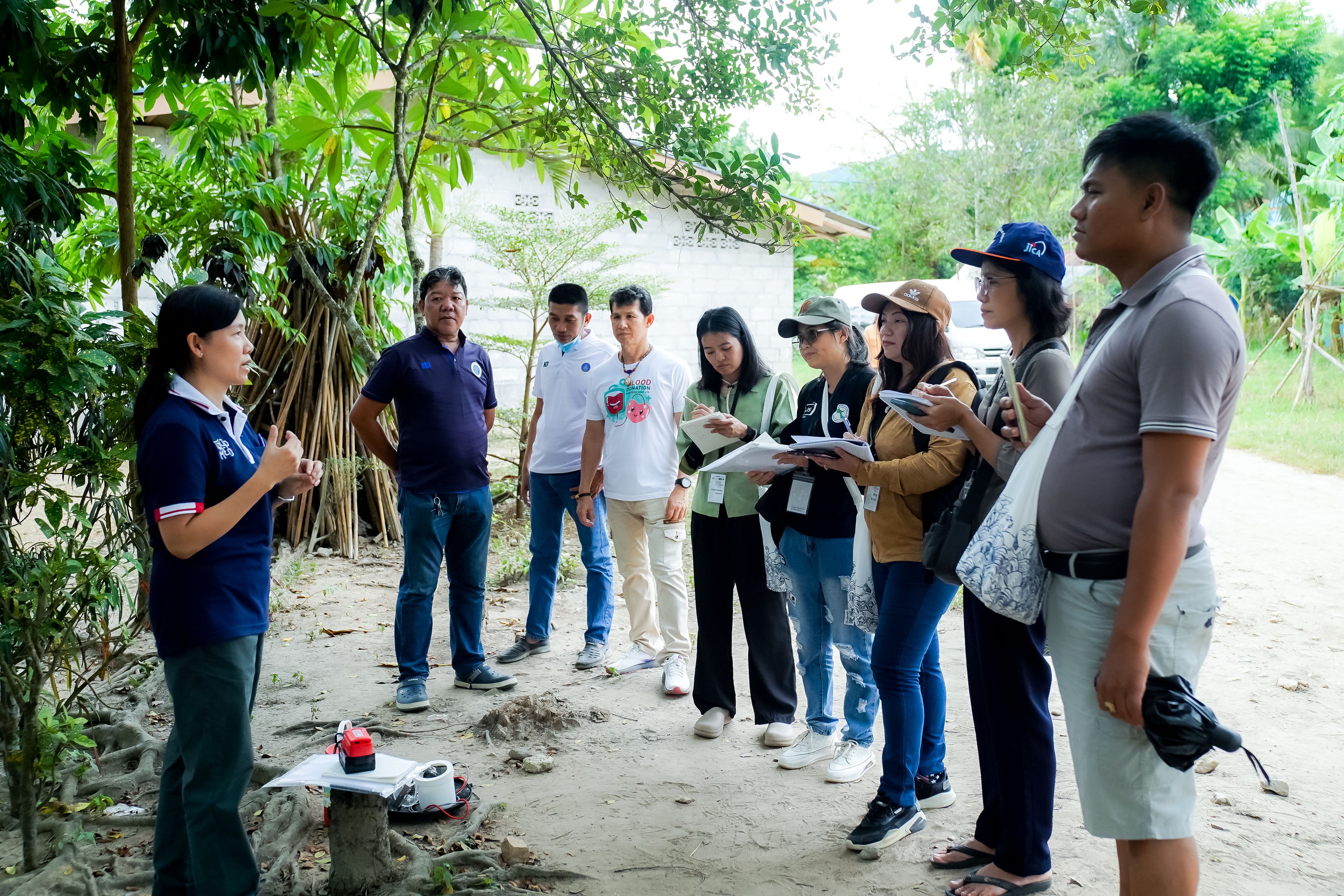

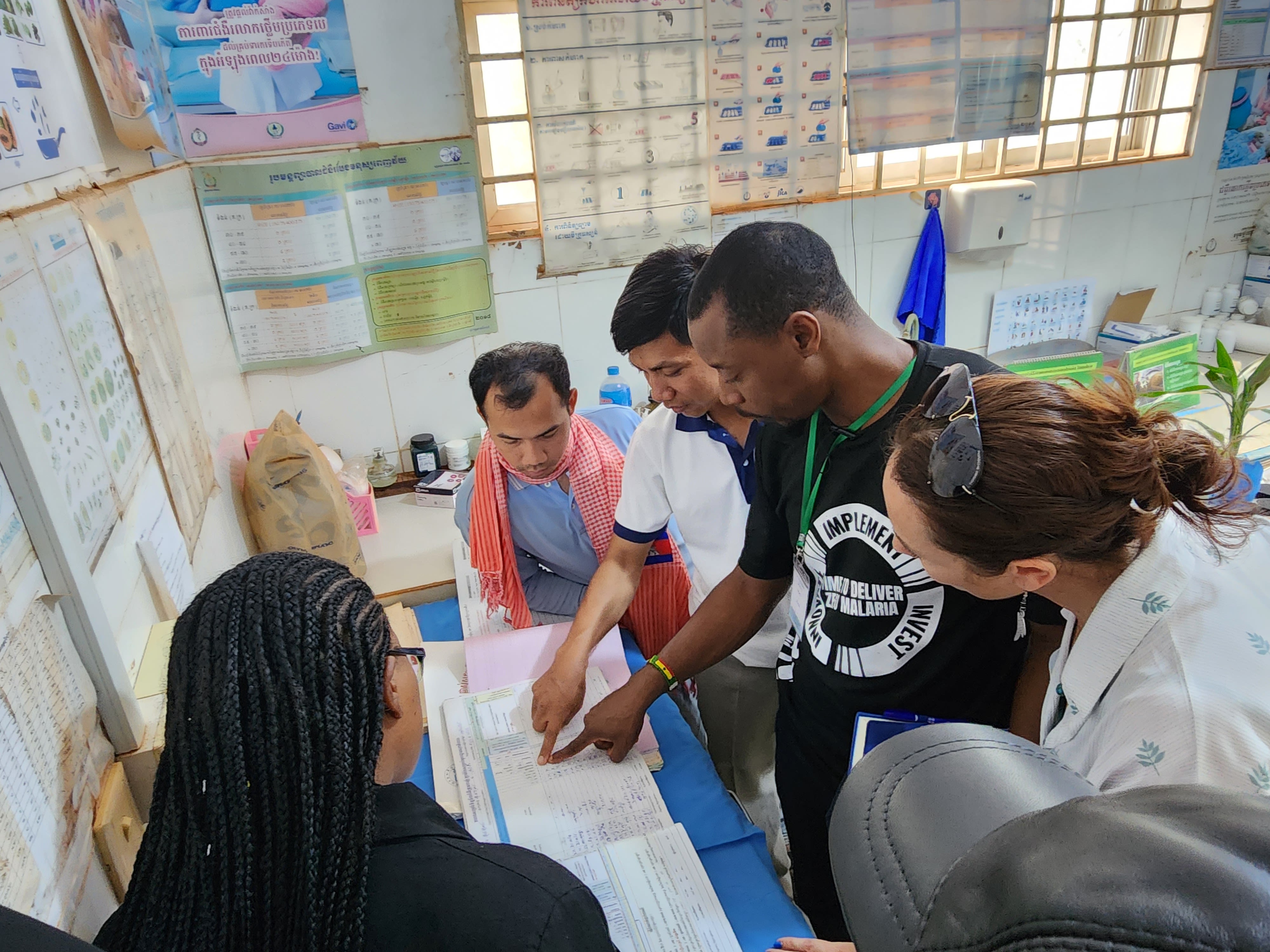

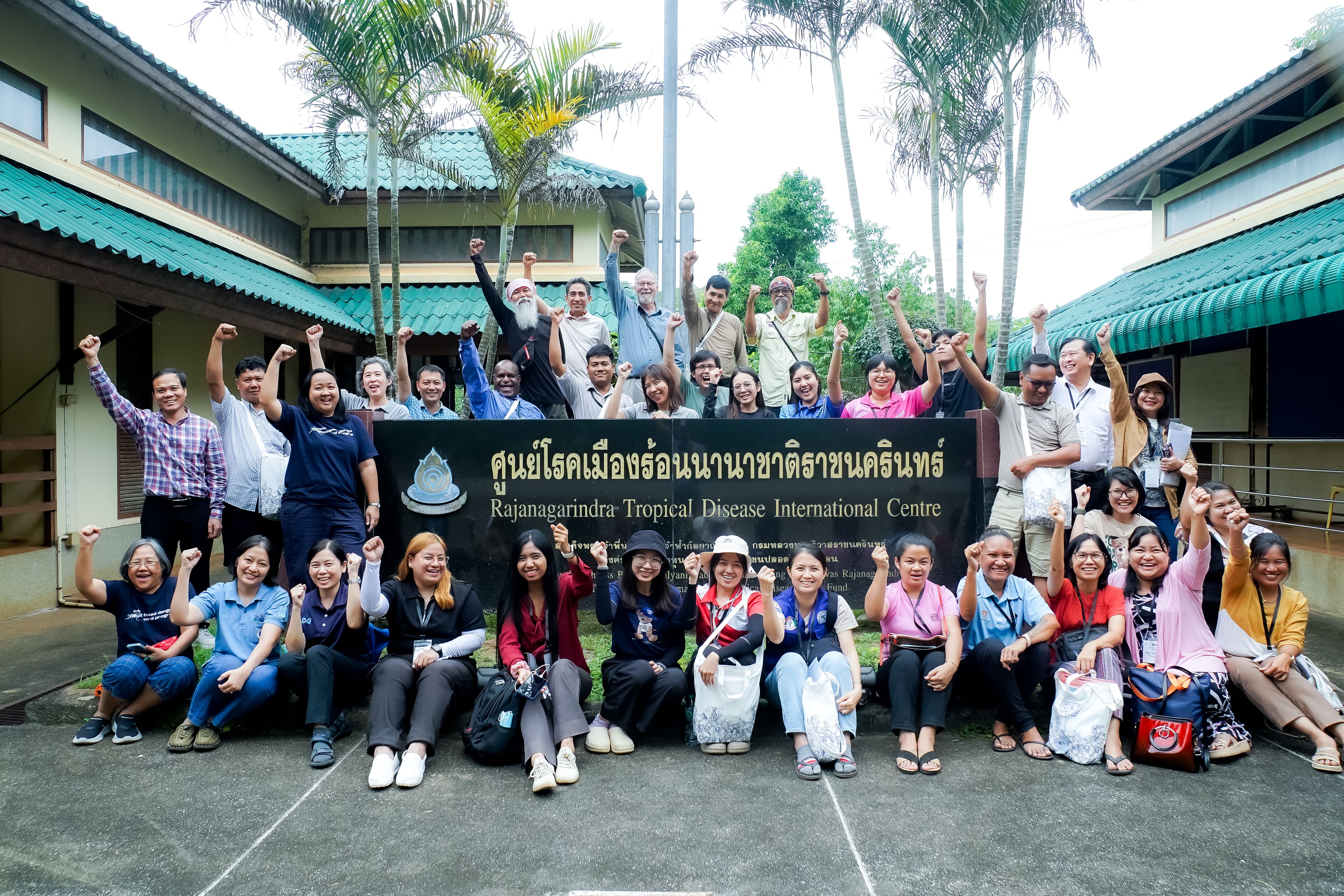
Activities in 2024–2025:
- Delivered a week-long intensive training in Papua New Guinea, equipping attendees with cutting-edge vector control and surveillance skills
- Expanded our global reach through an online vector surveillance training course, engaging 1,063 participants from across six continents
- Continued our RAFT webinar series, tackling emerging challenges such as the threat of vector-borne diseases
- Hosted a virtual annual conference, fostering collaboration and innovation across APMEN’s network
Conducted a mapping exercise on data quality assurance in malaria surveillance systems across 39 countries, resulting in six learning briefs that are being used to inform partners and national malaria programmes in their data quality assessment approaches.
 Built with Shorthand