4. Looking ahead


Progress and setbacks
In the financial year ending March 2025, the global malaria community achieved remarkable milestones: 18 countries introduced malaria vaccines, next-generation insecticide-treated nets reached millions across Africa, and Egypt joined 43 other nations in eliminating malaria entirely. Malaria Consortium is proud to have contributed to this collective progress — helping countries strengthen systems, deploy effective tools and make data-driven decisions that protect the most vulnerable.
Yet, these achievements unfolded against a backdrop of intensifying challenges. The emergence of artemisinin partial resistance in several East African countries underscores the urgency of our work and the need for new tools to respond effectively.
In response, our research and partnerships are driving new evidence — deepening understanding of resistance mechanisms and informing next-generation therapeutics, treatment strategies and more targeted surveillance and interventions. Exciting emerging tools and approaches are already being explored and implemented.
These include new drugs such as Coartem Baby, the first malaria treatment approved for newborn babies and young infants, as well as triple artemisinin-based combination therapies (TACTs), which combine artemisinin derivatives with two partner drugs for increased efficacy; spatial emanators (or repellents) for vector control, which WHO officially recommended in August 2025; and gene drives, which use genetic modification for mosquito control.
Challenges should be viewed through a myopic lens of stalled progress. They can, in equal measure, catalyse it, shaping a new generation of strategies for malaria control and elimination.
At the same time, shifts in international development funding are accelerating an evolution in how we approach global health. This evolution is driving innovative financing mechanisms, strengthening domestic resource mobilisation and fostering deeper multisectoral partnerships that inform approaches to interconnected health inequities.
Countries are stepping forward with increased ownership of their malaria and health programmes, while new partnerships across government, the private sector and civil society are emerging to fill critical gaps, becoming a springboard for more sustainable solutions. Philanthropy remains an essential part of this ecosystem, providing the catalytic, flexible support that enables agility, stability and scale.
While the challenges ahead are significant, they are also driving transformative change towards more resilient, innovative and local approaches. For Malaria Consortium, this is a moment to deepen our impact, build on evidence and partnership, and strengthen the systems that will sustain progress for future generations.


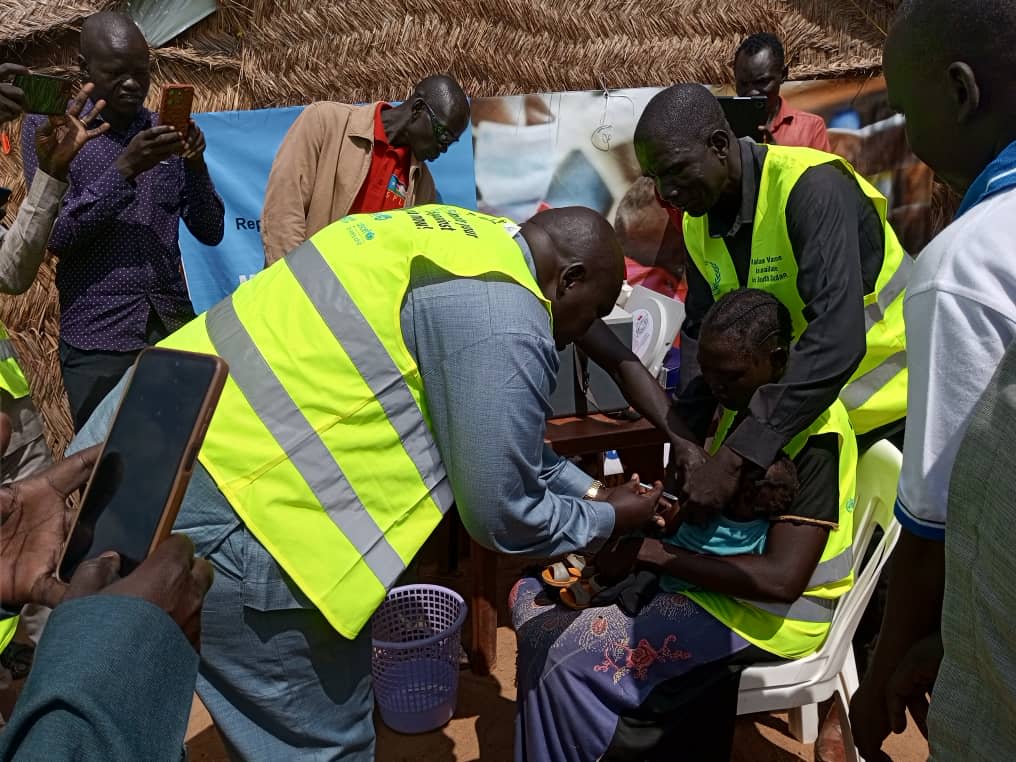
A pivotal moment
Across the global health sector, there is a shared recognition that business as usual is no longer enough. At Malaria Consortium, we are seizing this moment to reimagine what is possible: to think creatively, partner more strategically and champion locally led solutions that combine evidence, experience and innovation. Systemic impact at scale that can be measured in health systems and communities that are not only resilient, but that thrive.

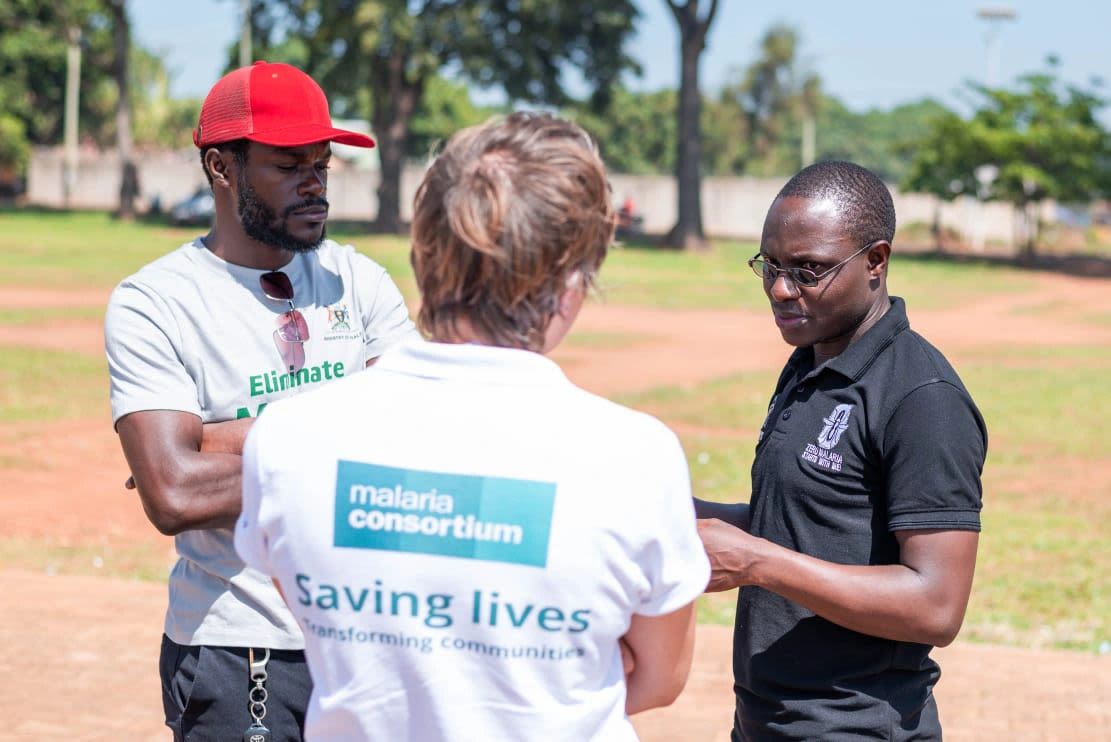
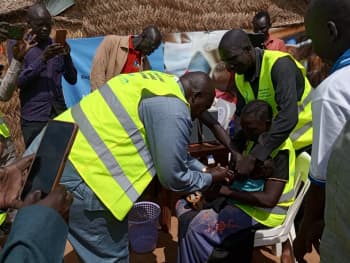
Sarah Bond, Head of External Relations at Malaria Consortium, talks with Ishmail Munyamu and Tilubuuza Abdunoor during a World Malaria Day event at Kaunda Grounds, Gulu District, Uganda
Sarah Bond, Head of External Relations at Malaria Consortium, talks with Ishmail Munyamu and Tilubuuza Abdunoor during a World Malaria Day event at Kaunda Grounds, Gulu District, Uganda
Building on guidance published by the World Health Organization, we are working with partners and national malaria control programmes to define the most appropriate mix of interventions in resource-limited settings, and the path forward is clear. Governments, civil society, the private sector and philanthropy must unite around the shared goal of maximising resources and optimising efficiency, using existing and new tools, innovations and partnerships for the greatest impact.


Our strategic response
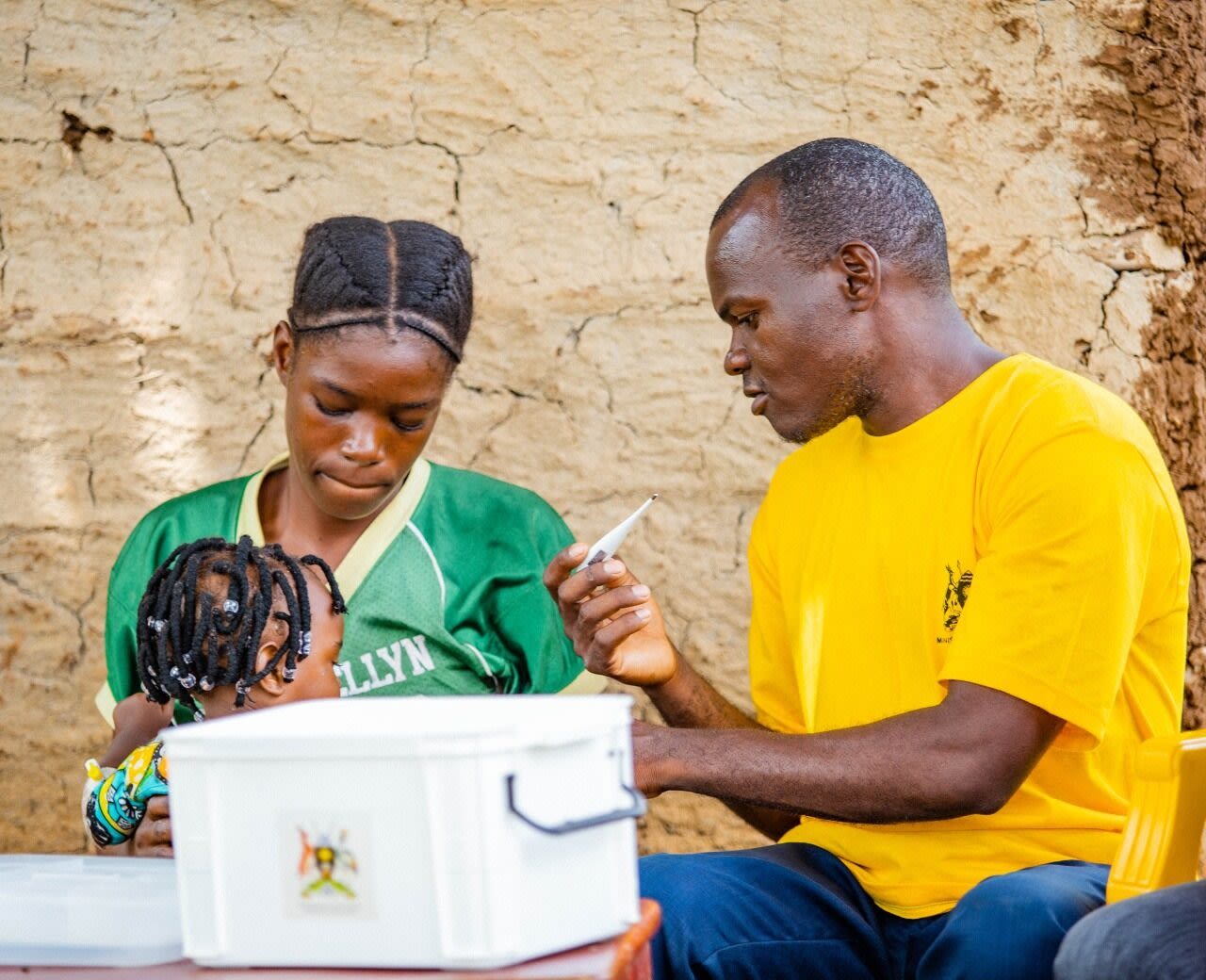
Building on years of experience and established partnerships with national governments, Malaria Consortium is helping to lead the shift towards health systems that address not only disease, but also the inequities and inefficiencies that contribute to sustaining it. We’re providing support and technical expertise to help national governments introduce digital tools, reduce case numbers and strengthen community health systems, improving referral pathways, enhancing real-time reporting and reinforcing primary care delivery.
Integration is another cornerstone of our approach, where evidence and context align. Our research and implementation on integrating interventions — including co-delivering SMC with vitamin A supplementation for improved child health outcomes, and integrating malaria vaccines with routine immunisation programmes and SMC campaigns — is demonstrating that smart, data-driven integration can amplify impact without compromising effectiveness.
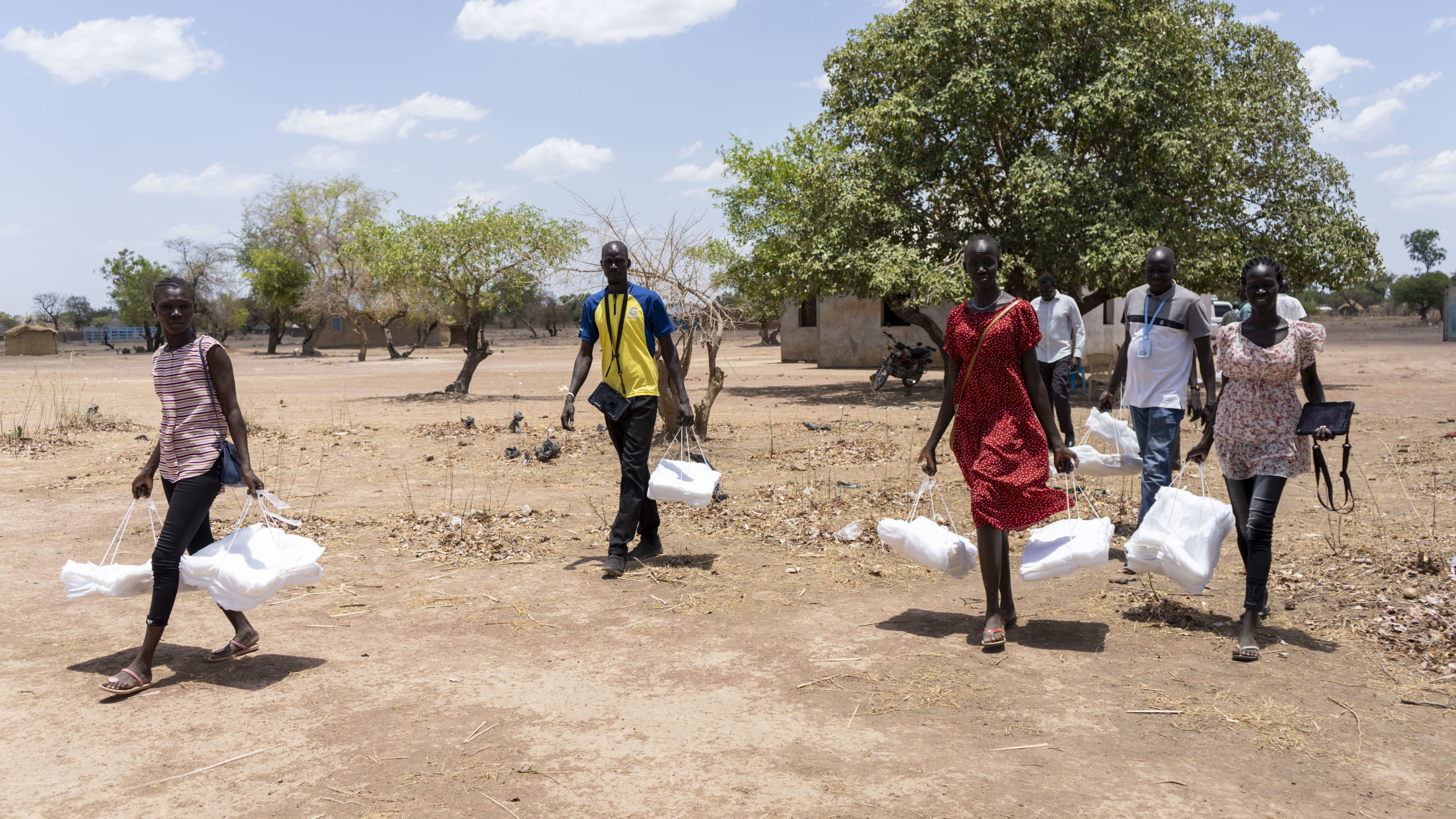
Complementary programmes that leverage existing capacities to strengthen the full continuum of care are further transforming outcomes. In South Sudan, for example, our research on severe malaria is embedded within our SMC delivery — enabling preventive and curative care in the same settings and reinforcing the capacity of local health systems.
As we navigate a future characterised by uncertainty and complexity, our focus remains clear: to save lives and improve health, especially in communities most at risk, hard to reach and marginalised. We will continue to partner with governments, communities and diverse stakeholders — from researchers to private sector innovators — providing evidence that informs the solutions needed to sustain progress.
The future of global health will be defined by the collaborative solutions we collectively build today.
 Built with Shorthand